
Live Volcano Webcams




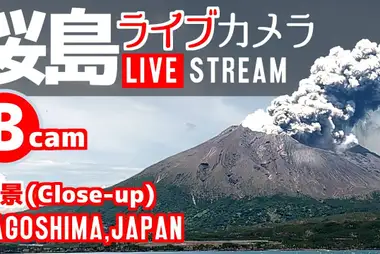
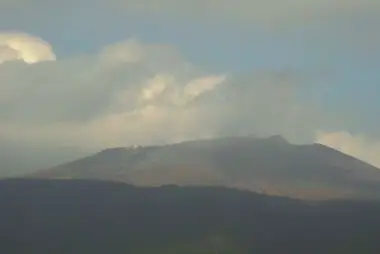
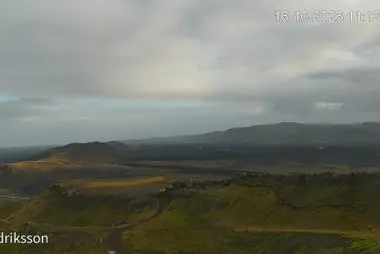

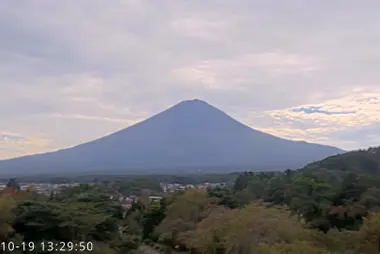


What volcano webcams show
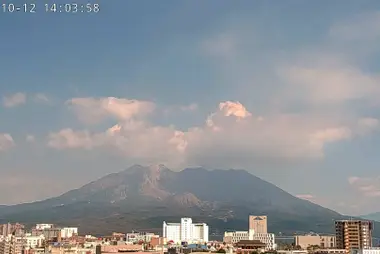
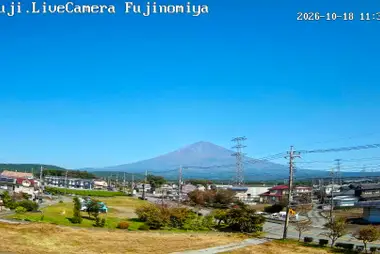
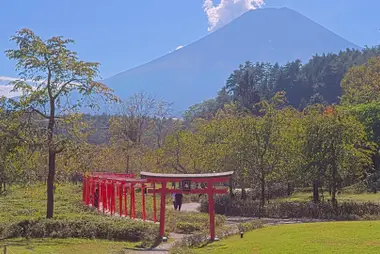
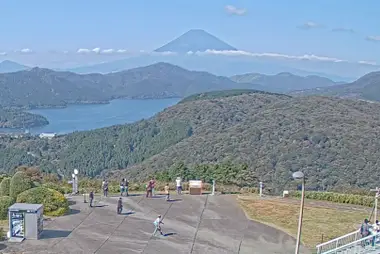
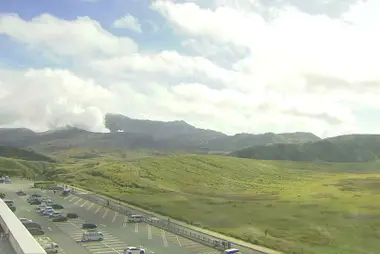
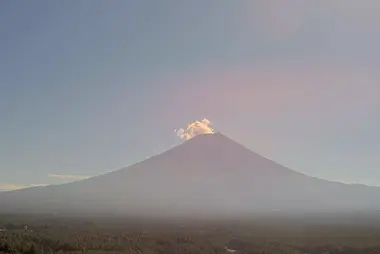
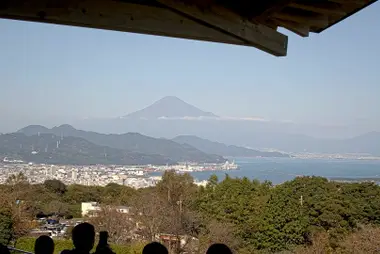
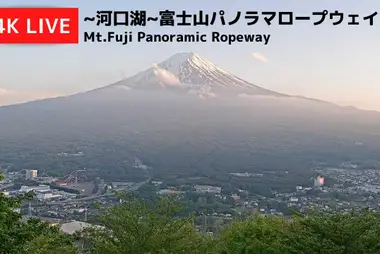
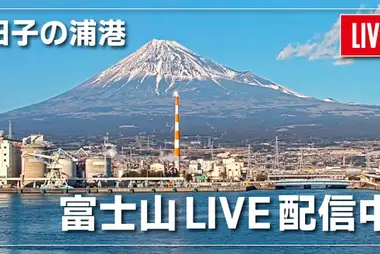
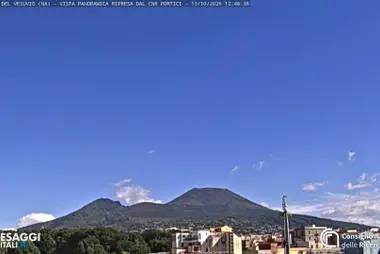
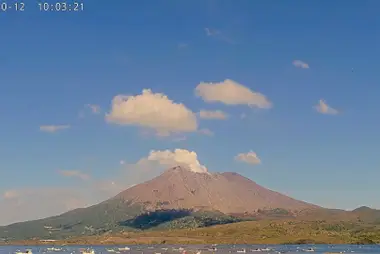
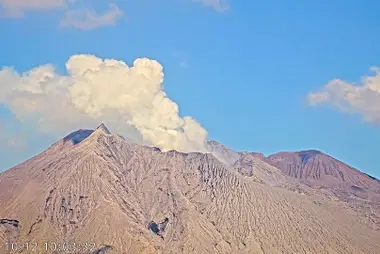
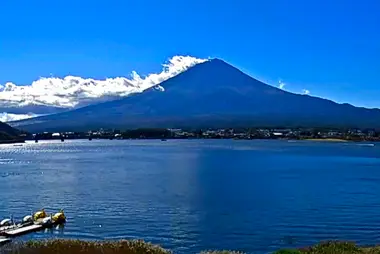
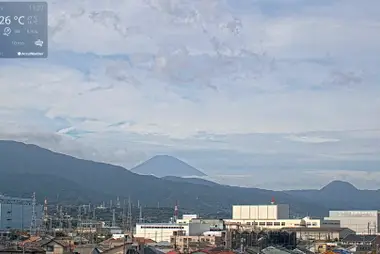
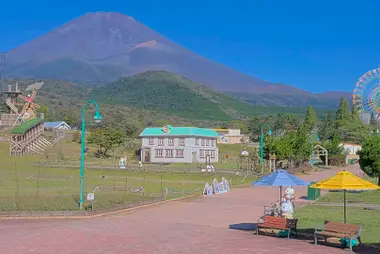
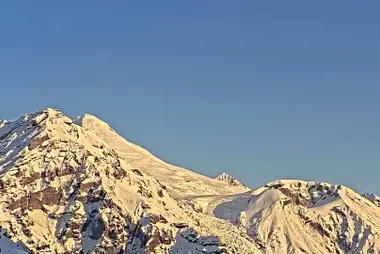
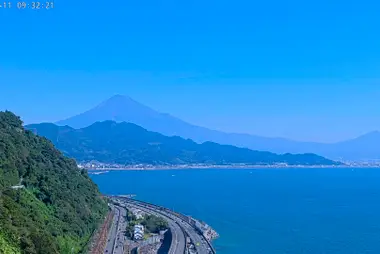
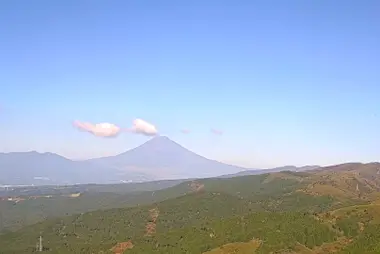
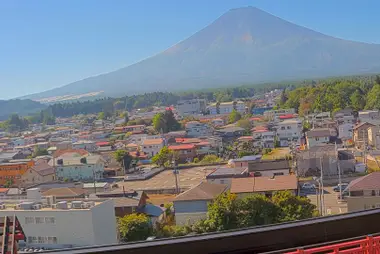
Volcano webcams watch active and dormant volcanoes: summit craters, lava lakes, steaming vents and the slopes around them. Many are run by volcano observatories, which use them alongside seismometers and gas sensors to monitor activity.
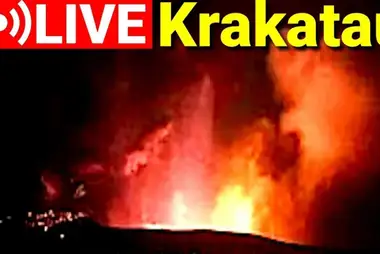
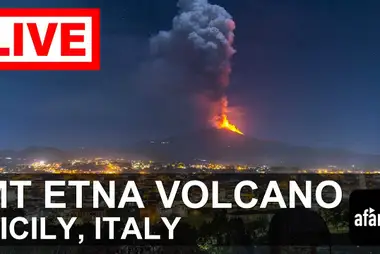
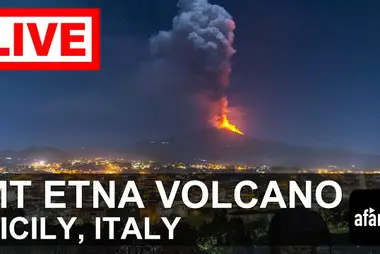
Most of the time a volcano looks quiet — a plume of steam, a wisp of gas, cloud around the summit. That is exactly why these cameras are watched so closely: a change in the plume, a new glow at night or ash on the snow can be the first signs of unrest. During an eruption the camera may be the only safe way to see lava fountains or an ash column, and its pictures often travel around the world within minutes.
Night is when volcanoes are most revealing: glowing lava and incandescent vents that are invisible by day stand out after dark. Weather often gets in the way, with summits hidden in cloud for days, and eruptions can damage or bury the cameras themselves. Warnings and exclusion zones always come from the observatory, not from the picture.


